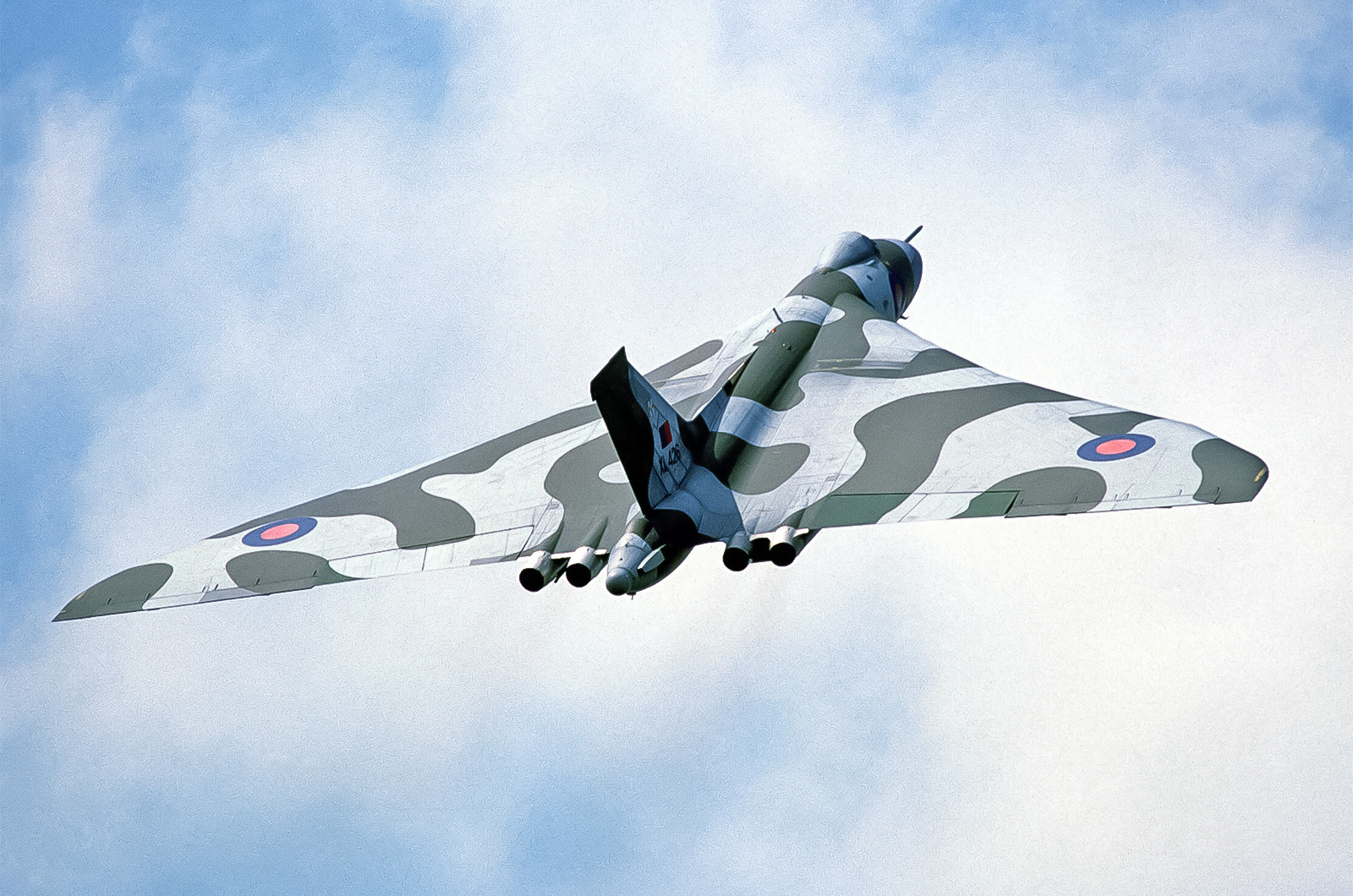
The United Kingdom’s three V-bombers were developed as part of the nation’s nuclear defense strategy during the Cold War era.
Among these, the Vulcan is the most recognized. Although the Avro Vulcan bomber was originally designed for nuclear warfare, the appealing aircraft has always been, and continues to be, greatly appreciated. Known for its loud noise, large delta wing, and lively performance, it has gained a devoted following that is expected to endure for centuries.
The plane represented an extraordinary accomplishment, especially when taking into account that development started as far back as the 1940s. Here are ten amazing characteristics of the Vulcan bomber:
10: Timing
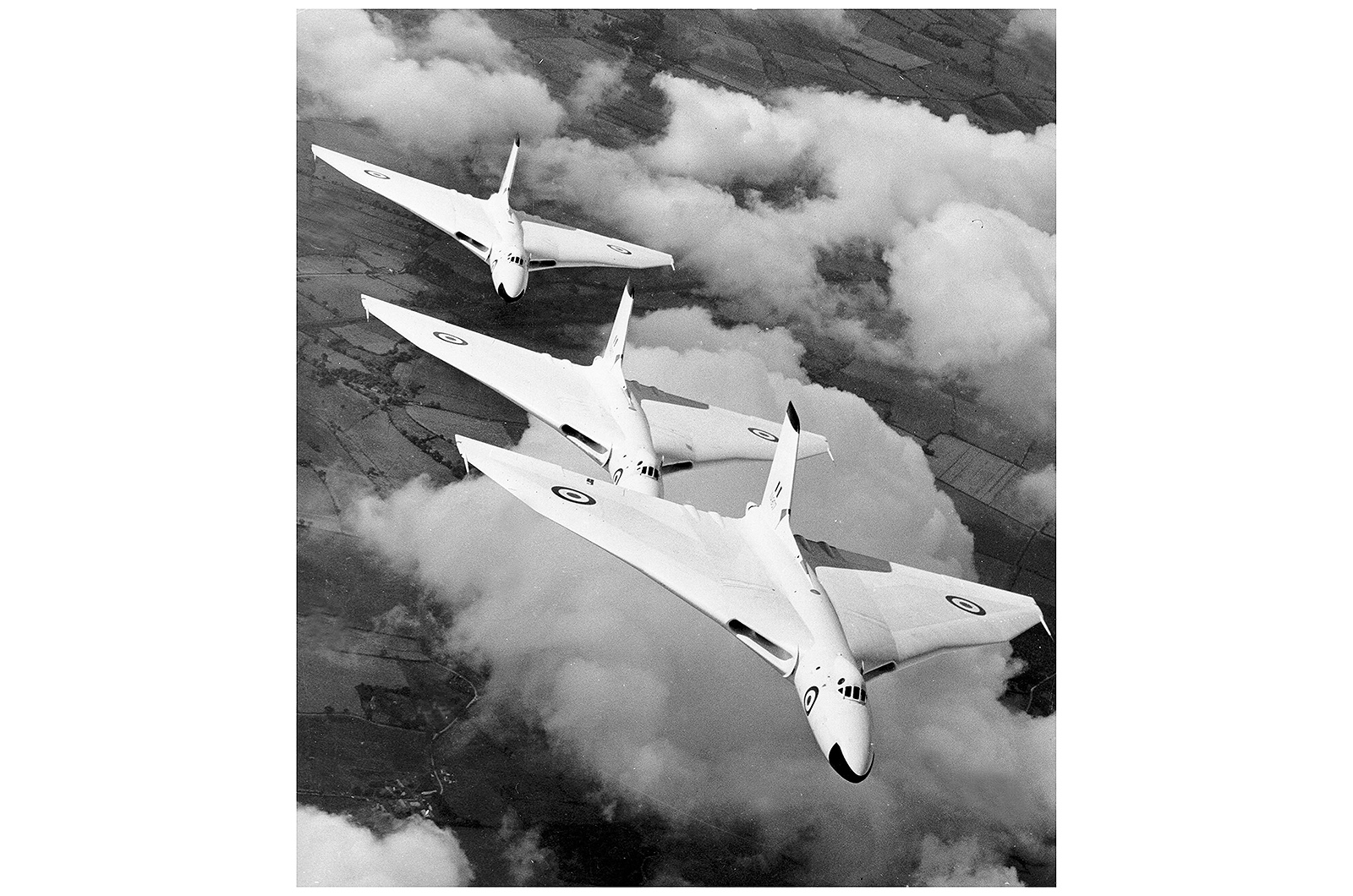
It is frequently mentioned that only ten years separated the introduction of the angular Avro Lancaster bomber into the RAF in 1942, from the first flight of the space-age Vulcan on 30 August 1952. This fact is often highlighted because it was an extraordinary accomplishment; within this brief time frame, Avro advanced from bombers traveling at 282 mph to those capable of reaching 646 mph!
Sir Sydney Camm, the creator of the Hawker Hurricane, commented on the canceled TSR-2 bomber: “All modern aircraft have four dimensions: span, length, height, and politics. The TSR-2 got the first three correct.” Camm overlooked another crucial dimension: time. Along with getting the four dimensions he mentioned correct, the Avro Vulcan also had excellent timing.
10: Timing
Another feature of the Vulcan’s precise timing was that it became part of the British independent nuclear deterrent force in the late 1950s, two years before the Handley Page Victor. The Vulcan emerged at a crucial time during the Cold War.
The Vulcan was fortunate to arrive in time to avoid the contentious 1957 Defence White Paper, which (prematurely) declared manned military aircraft outdated. This document effectively halted development of the later (Mach 3 capable) Avro 730 bomber/reconnaissance aircraft.
9: Blue Steel
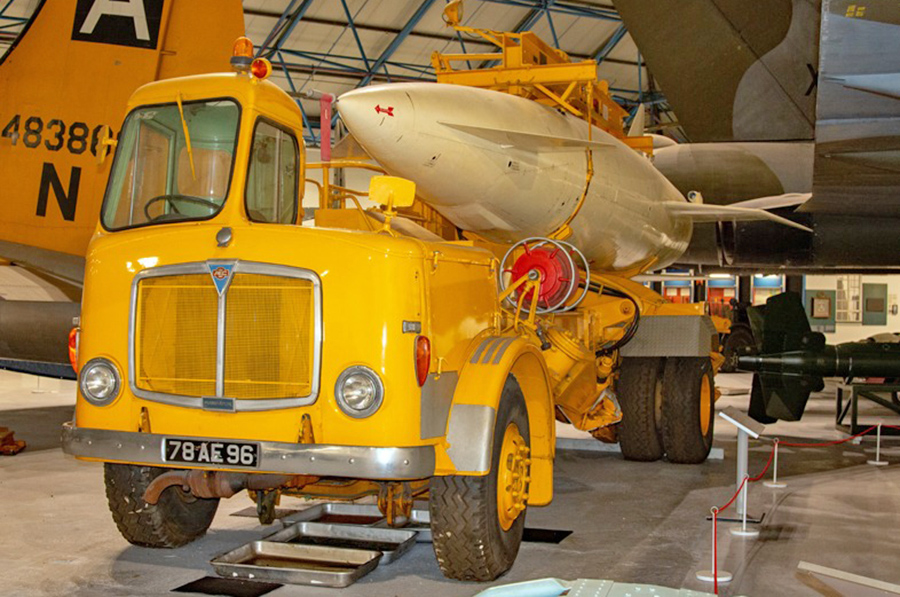
Although the Vulcan performed well, the RAF recognized that the bomber would still be at risk from a new wave of Soviet surface-to-air missiles and air defense aircraft. Flying directly over a heavily protected target was extremely hazardous; what was required was a ‘stand-off’ weapon that could be deployed from a more secure location.
The producer of the Vulcan, Avro, addressed this need by developing the Blue Steel missile. Blue Steel was one of the names in the Rainbow Code series used for British military initiatives, which also featured the notably named Indigo Corkscrew.
A rocket-powered nuclear missile called Blue Steel was fired from under the Vulcan. It was an enormous weapon, measuring 10.7 meters (35 feet) in length and weighing more than three tons. The warhead it carried was the fearsome Red Snow thermonuclear device, capable of causing destruction equivalent to over one million tons of TNT.
The missile was capable of achieving immense speeds of up to Mach 3. Blue Steel was only operational for seven years, during which it demonstrated poor reliability and was difficult to prepare. It was withdrawn from service on 31 December 1970, when the United Kingdom’s strategic nuclear capability was transferred to the Royal Navy’s Polaris submarine fleet.
8: Performance
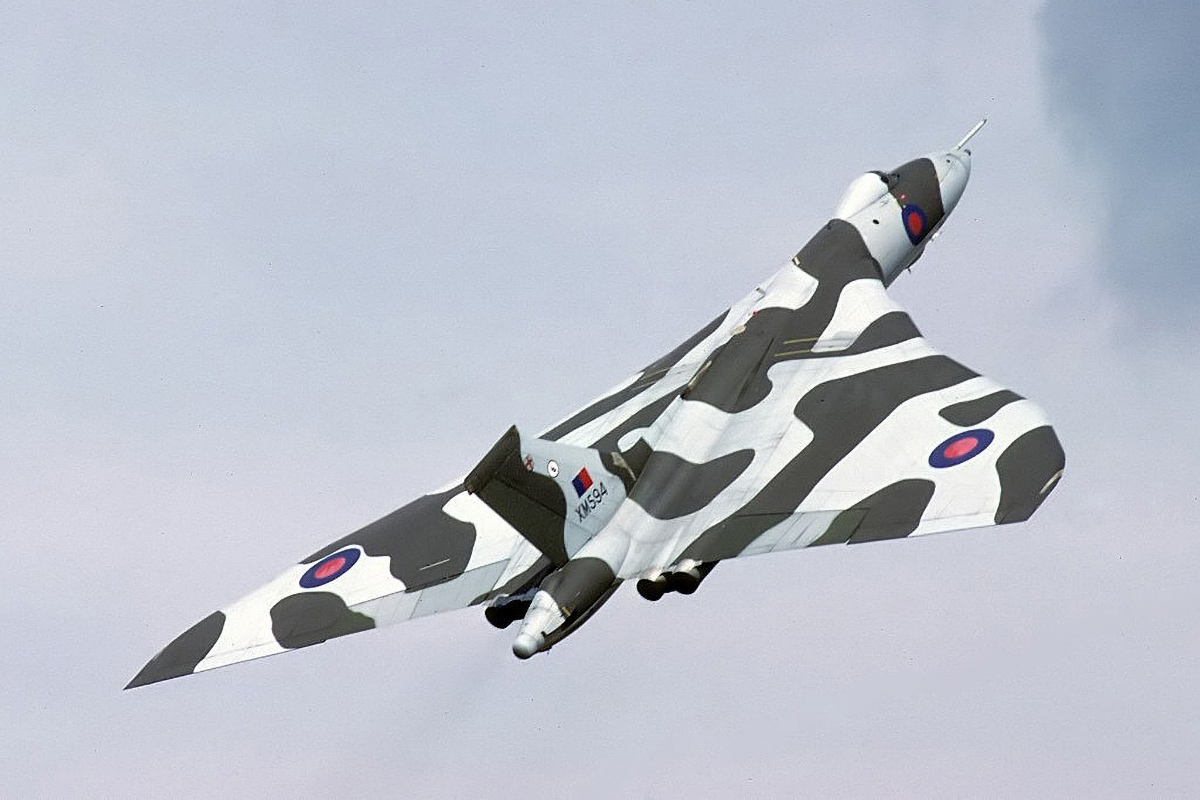
The Vulcan is still widely cherished, with much of this love stemming from its remarkable presence during airshow displays, thanks to its striking covered look, loud noise resembling a car alarm, and outstanding performance. Unlike most bombers, which tend to be slow, the Vulcan moved more like a large fighter aircraft.
The aircraft’s low wing loading and notably high thrust-to-weight ratio gave the Vulcan remarkable agility for its size and weight, particularly at elevated altitudes. At these heights, the Vulcan became a challenging and elusive target for fighter planes during interception exercises.
Its performance at high altitudes was exceptionally impressive, with accounts of planes ascending to 60,000 feet (18,288 meters). The Vulcan outperformed the US Boeing B-52 Stratofortress in speed and possessed the range necessary to strike targets within the Soviet Union from locations in Britain.
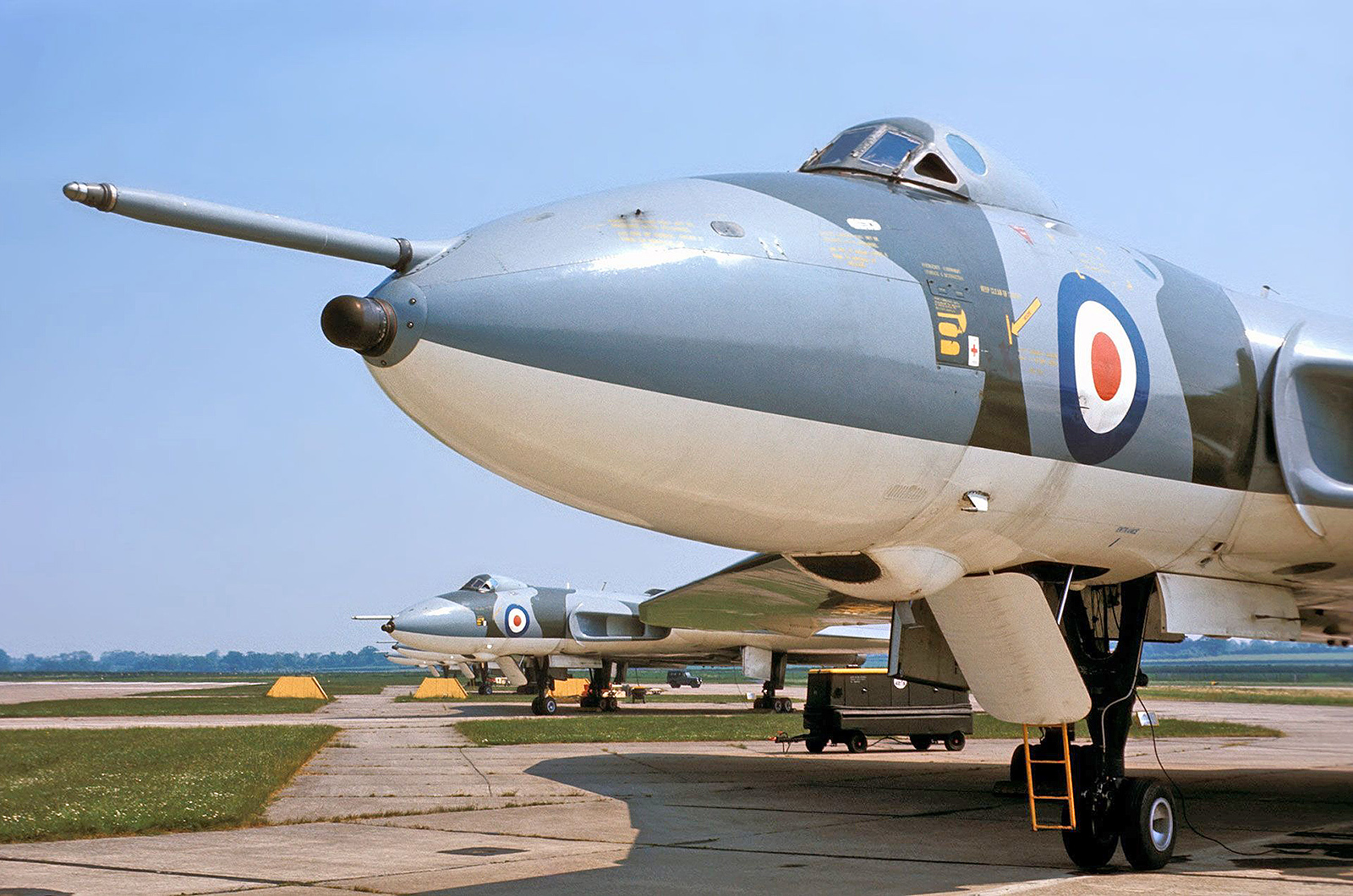
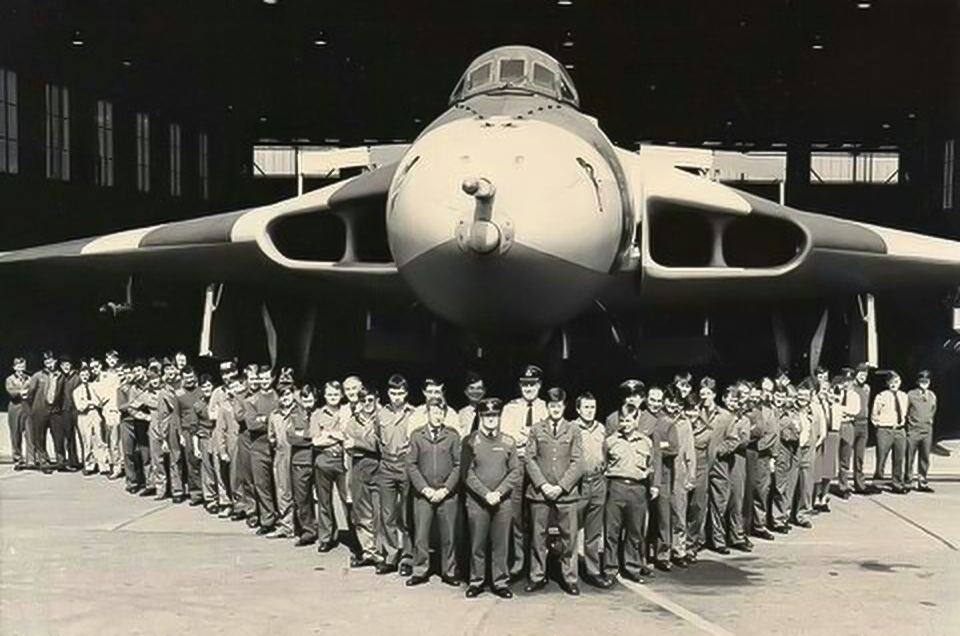
Additional advantages of the Vulcan’s large wings and powerful engines were its remarkably short takeoff distance. Uncommon for a large aircraft of that era, and indicative of its maneuverability, it was piloted using a fighter-style stick instead of a large control wheel (see photo).
7: The sound!
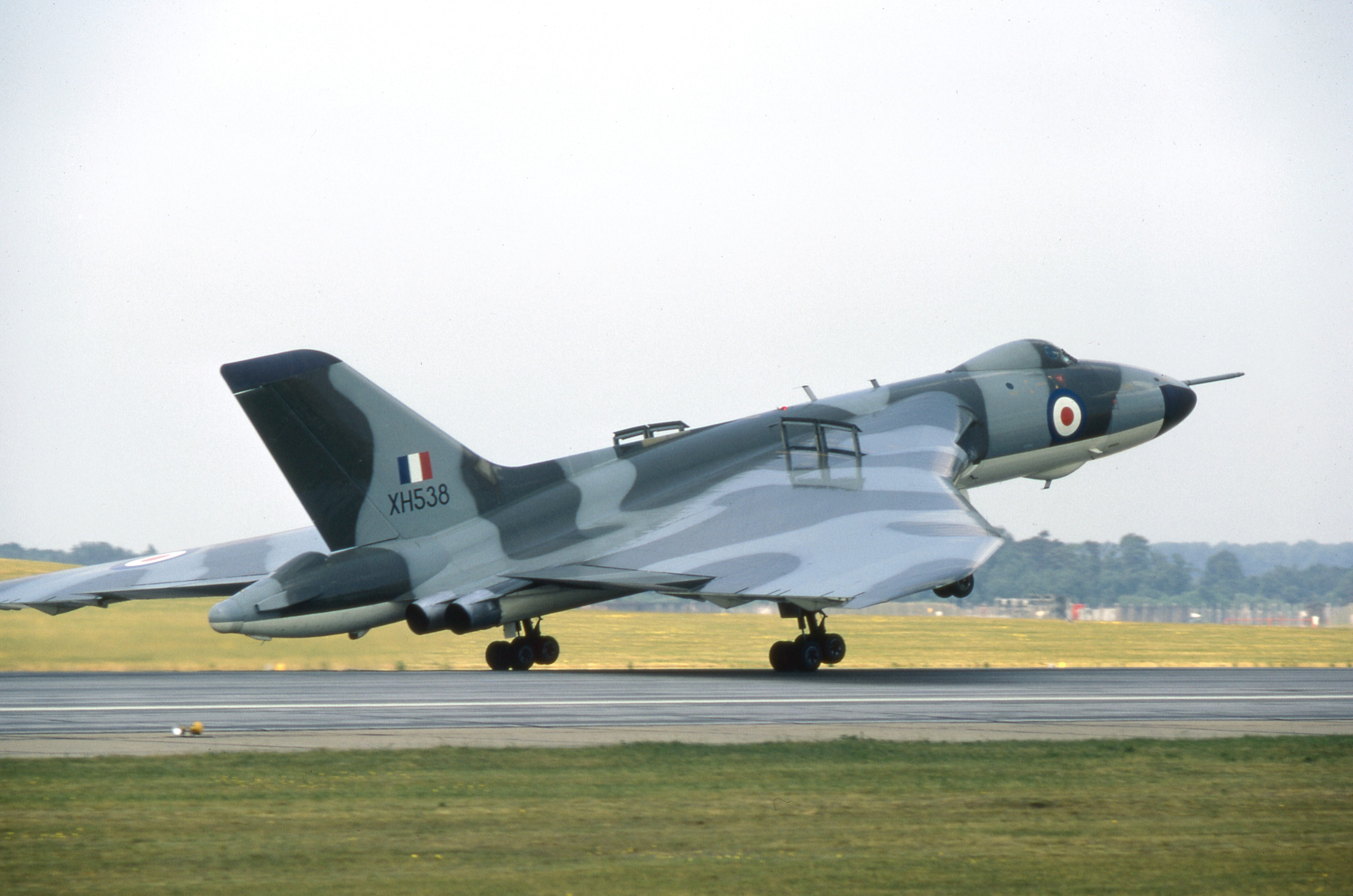
Ask anyone who had the privilege of seeing the Vulcan in flight (or even observed the engine tests on the ground), and they will express excitement about its powerful sound. The Vulcan’s loud roar was captivating — but what created the Vulcan’s remarkable noise and unique howl?
We contacted Michael Carley, a Senior Lecturer in the Department of Mechanical Engineering at the University of Bath, whose primary areas of research include aeroacoustics and the numerical simulation of vortex-driven flows and acoustics. In other words, he is ideally suited to address this question.
7: The sound!
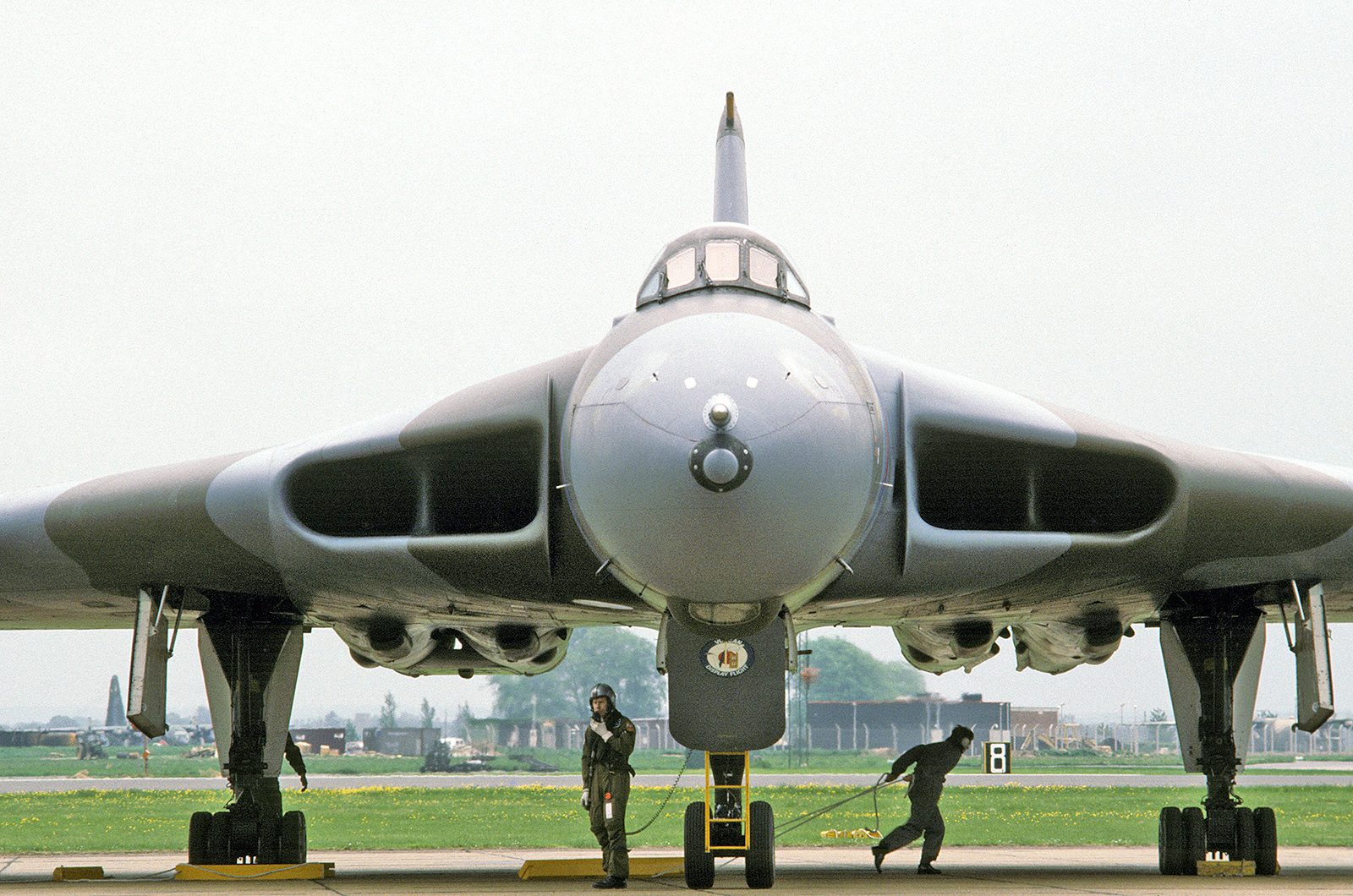
As Carley explains, “The Vulcan engine is noisy because it’s compact. Jet engines produce thrust by multiplying mass flow rate with exhaust speed. If the engine is small, the exhaust speed must be high to achieve a certain level of thrust, and noise rises quickly with jet exhaust speed (this is one reason why modern planes prefer two large engines instead of four smaller ones, when possible).”
The howl is caused by acoustic resonance within the air intakes. This is often likened to the sound produced when blowing over the top of a bottle, although a more accurate analogy could be the sound of wind passing through cavities and rounded structures, the exhaust or intake noise from a high-performance car or motorcycle, or, in a stretch, certain musical instruments.
6: QRA
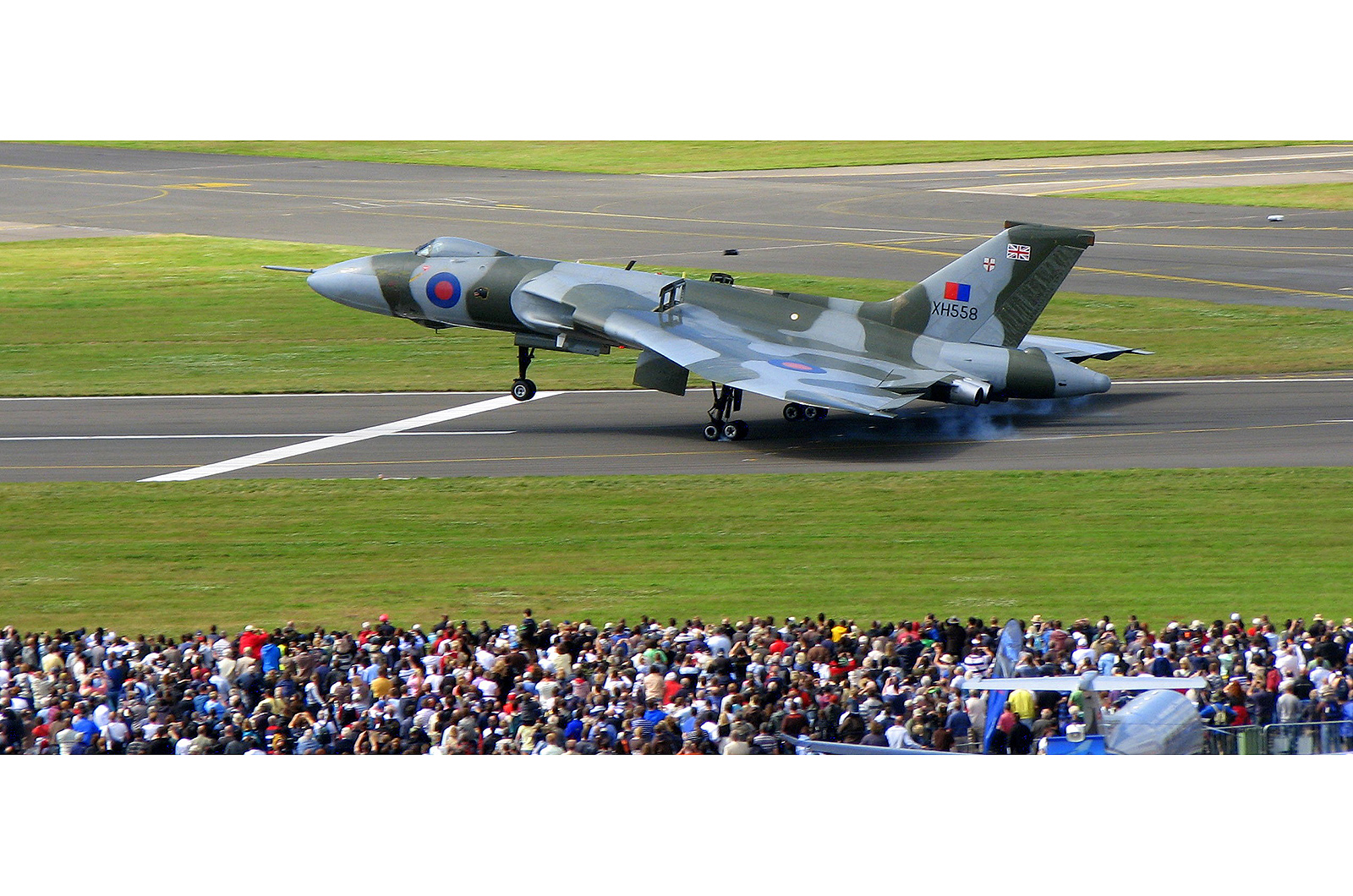
In the 1960s, the Royal Air Force possessed a significant number of Vulcans, forming a powerful deterrent. Nine active squadrons and a single training unit were assigned this aircraft. Starting in 1962, the V-Force achieved a higher level of combat readiness through the Quick Reaction Alert (QRA) status.
This implied that one bomber from every squadron was consistently theoretically on ‘cockpit readiness’ (this was eventually raised to two). In the event of news about an attack on the UK or the beginning of nuclear hostilities, the QRA aircraft would be airborne to respond swiftly.
6: QRA
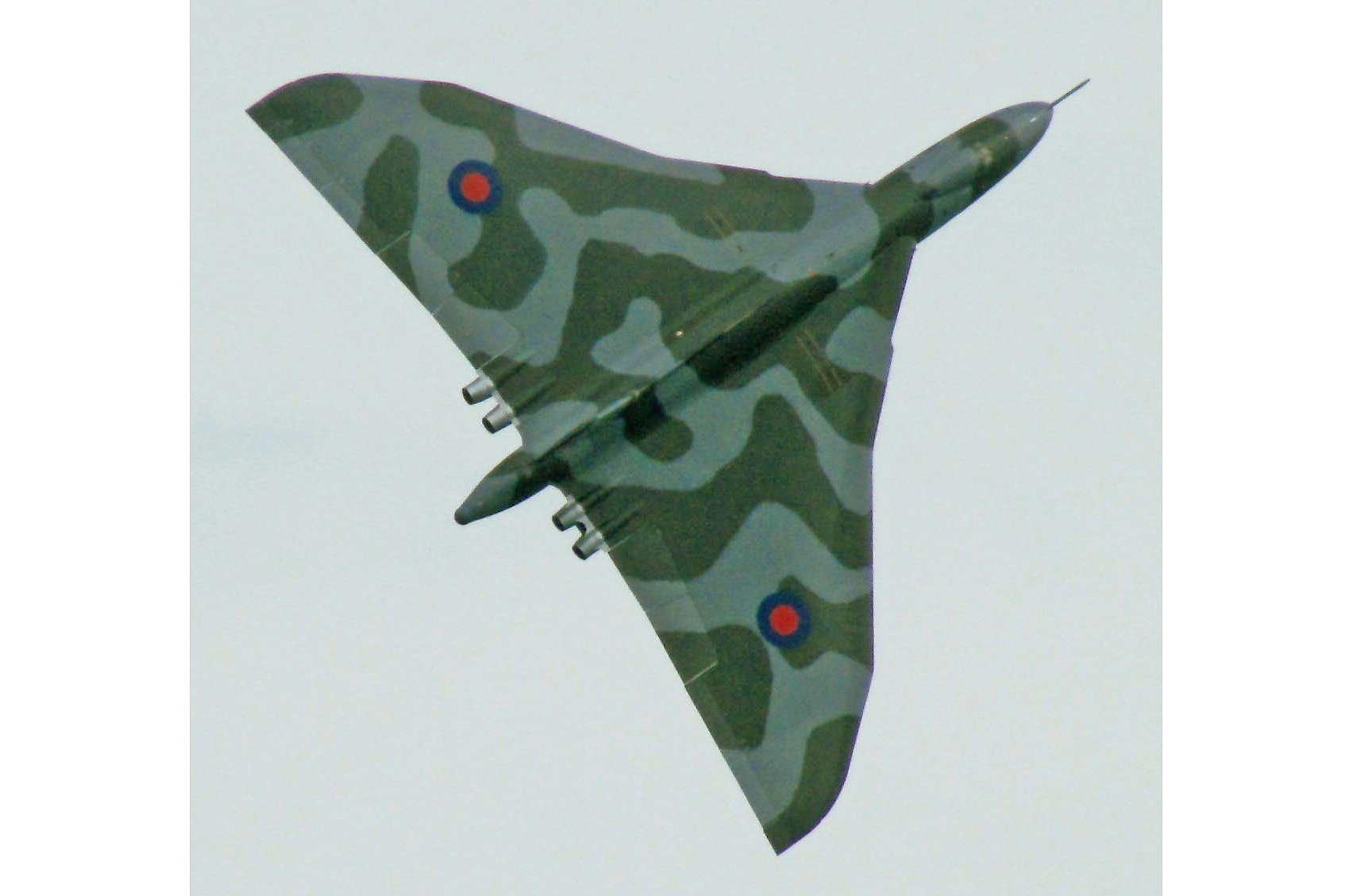
The Vulcan was perhaps the most effective of the V-Force bombers for Quick Reaction Alert. It could ignite all four of its engines, with flight instruments and control systems activated, in twenty seconds by pressing a single button.
When we spoke with former RAF Vulcan navigator Mike Looseley, he mentioned the rapid start, “It could initially be started by the crew chief from the power unit outside the plane, but following an unfortunate incident where aircraft door keys were lost, we didn’t do it often.”
5: Operation Black Buck
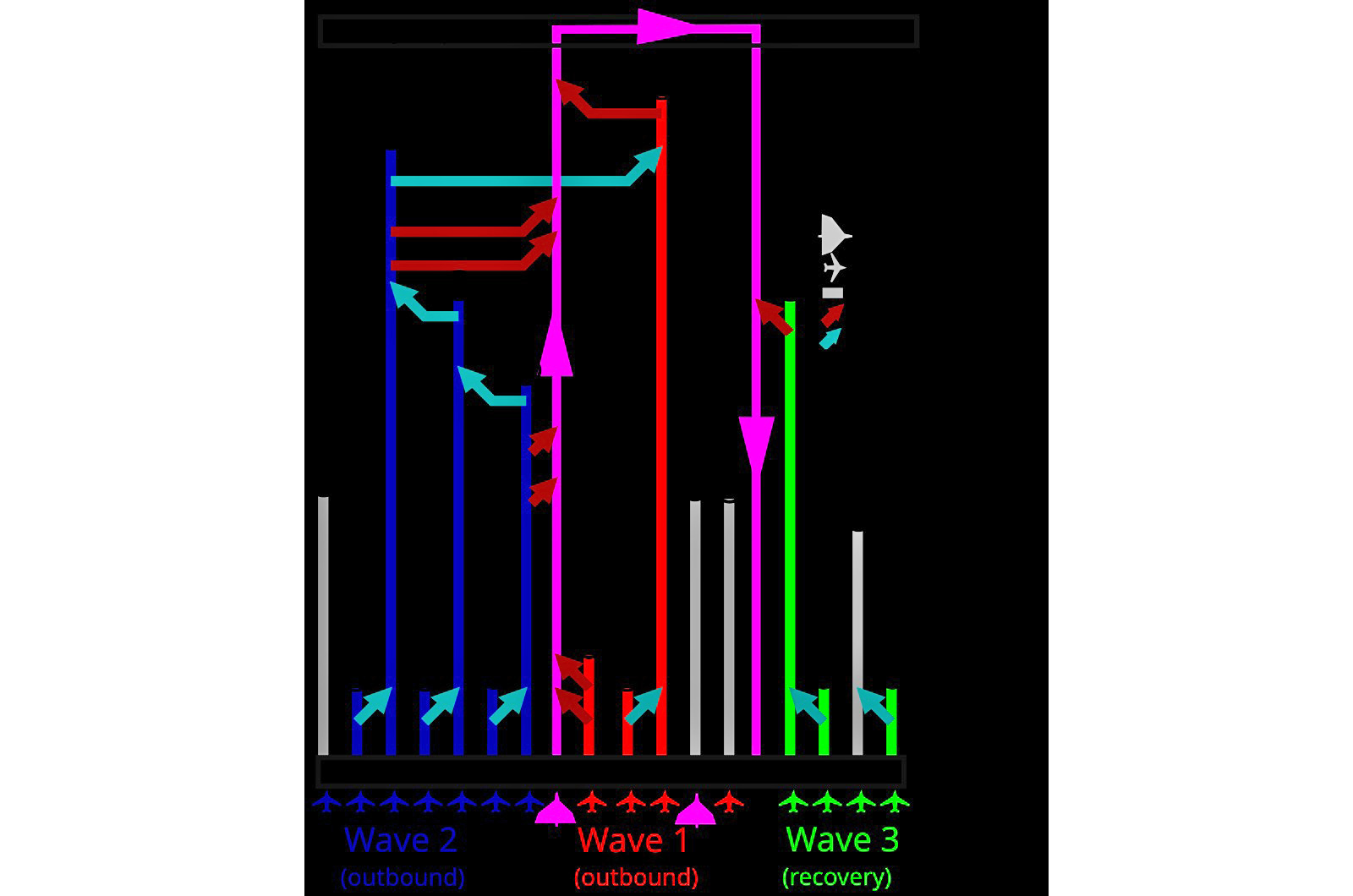
When the RAF Vulcans executed the Operation Black Buck missions against locations on the Falklands Islands in 1982, they set a record for the farthest bombing operations ever carried out. The objective was Port Stanley airport and its defenses, requiring a remarkable journey of 7600 miles (12,200 km) over a 16-hour round trip.
If this wasn’t challenging enough, the RAF Vulcans were nearing the end of their service and lacked the necessary equipment for contemporary combat. Numerous components were missing, and parts were obtained from any possible location, even a museum! Black Buck took off from RAF Ascension Island, a volcanic island located in the South Atlantic Ocean. The operation involved an extremely intricate aerial refueling strategy.
5: Operation Black Buck
There was no assurance of success, and the Vulcan had not yet undergone combat testing. It would encounter powerful air defense systems. Equipped with free-fall bombs and Shrike anti-radar missiles, the Black Buck operations managed to achieve success despite nearly disastrous misfortune, making it the most intricate air strike operation ever executed, and possibly the most complex one that will ever be.
Although faced with challenges, five out of the seven Black Buck operations managed to carry out attacks. The Black Buck missions are somewhat contentious, with some arguing that the significant effort was unnecessary and others claiming that the raids had a strong deterrent impact on Argentine military activities.
4: Testbed
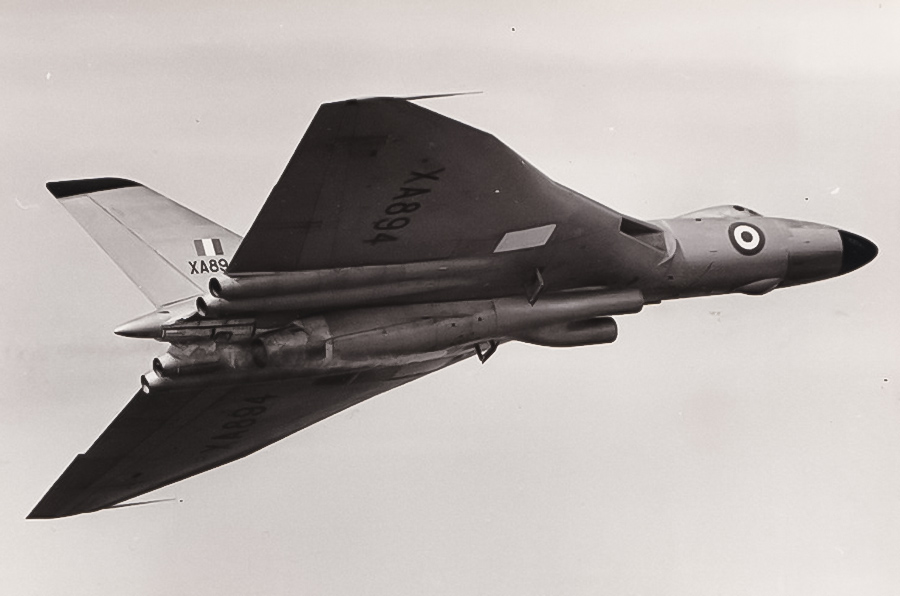
The Vulcan’s elevated ground clearance, relatively high maximum speed, and superior performance at high altitudes made it an effective platform for evaluating high-performance jet engines. In this manner, the Vulcan has played a major role in three highly important aircraft projects, two of which are military and one is civilian.
One of the most challenging technological feats in developing the Concorde supersonic aircraft was crafting its impressive engines. In 1966, the Vulcan conducted air tests on the Concorde’s Olympus 593. The 593 represented an advancement of the engine designed for Britain’s abandoned bomber, the supersonic TSR-2, which also gained from engine testing done by the Vulcan.
4: Testbed
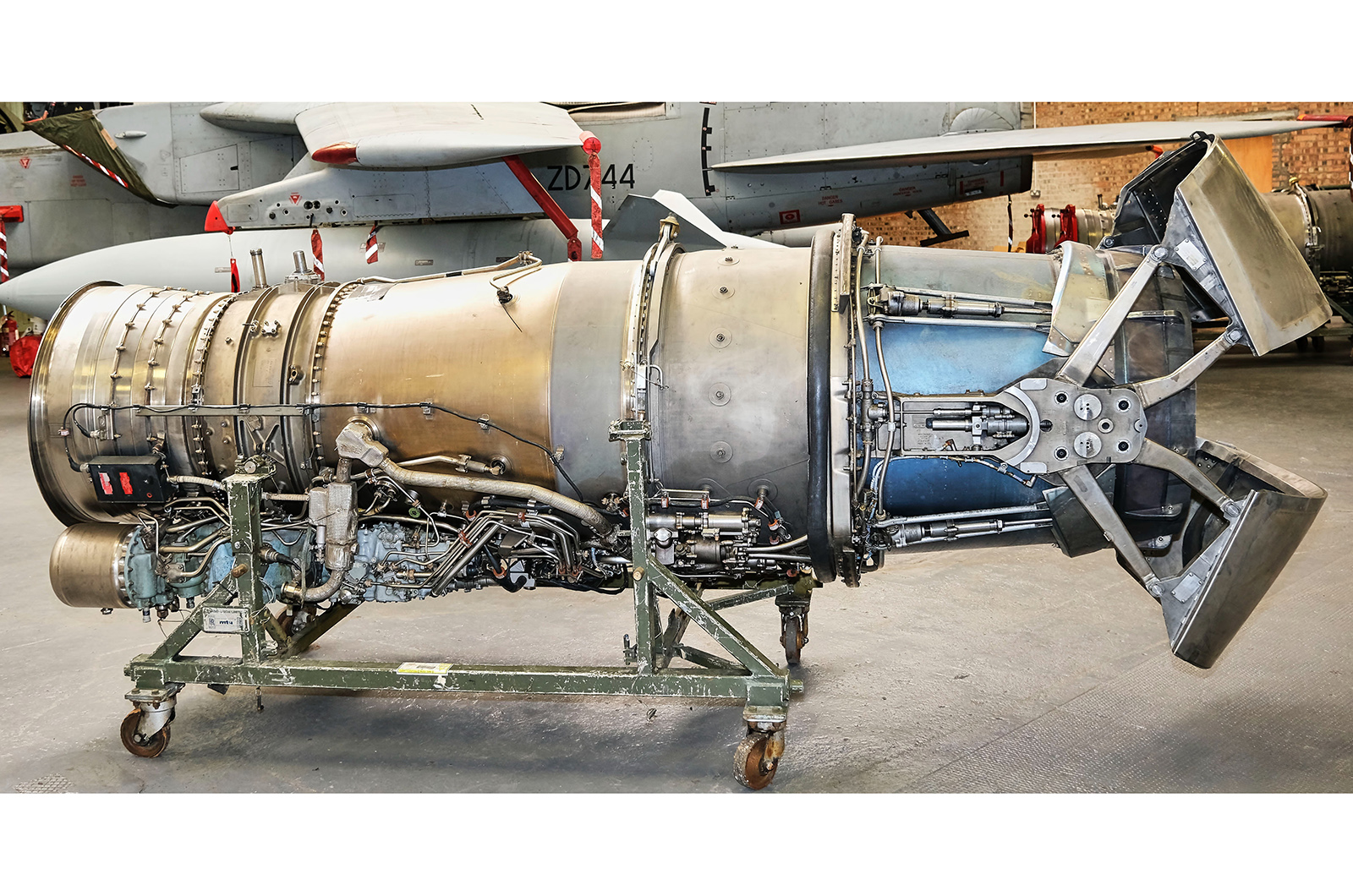
The Vulcan played a significant role in the development program of the Panavia Tornado fighter-bomber. The Tornado’s Turbo Union RB199 turbofan engine (shown in the image) was tested in flight using an Avro Vulcan with a nacelle that resembled the one on the Tornado aircraft. The Vulcan made its first flight with the RB199 nacelle installed in 1972.
Another Tornado technology evaluated on the Avro Vulcan was the Mauser 27mm automatic cannon employed on the Panavia Tornado (and subsequently on the Dassault/Dornier Alpha Jet, Saab Gripen, and Eurofighter Typhoon). The weapon was installed together with the RB199 pod to examine the effects of gun gas ingestion.
3: Avro 707
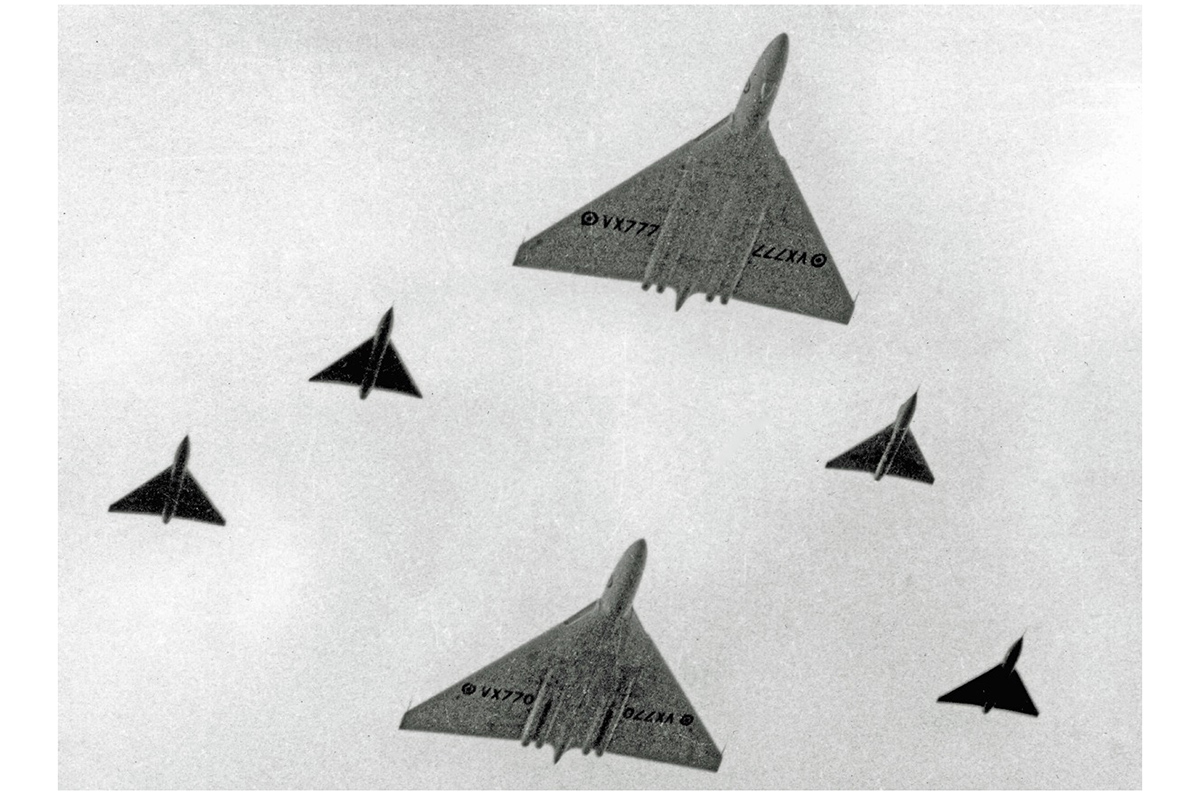
During the period of the Vulcan’s creation, limited understanding existed regarding the characteristics of delta (triangular) wings. Although the delta wing presented possible benefits in terms of structure and aerodynamics at higher velocities, several significant concerns about safety and control at slower speeds persisted.
In addition to being a delta, the proposed bomber was designed without a tail. A tailless aircraft lacks any horizontal aerodynamic surface apart from its primary wing. Tailless designs resulted in reduced drag and were highly popular during that era, as many were amazed by the high speeds attained by the tailless Messerschmitt Me 163 during World War II.
3: Avro 707
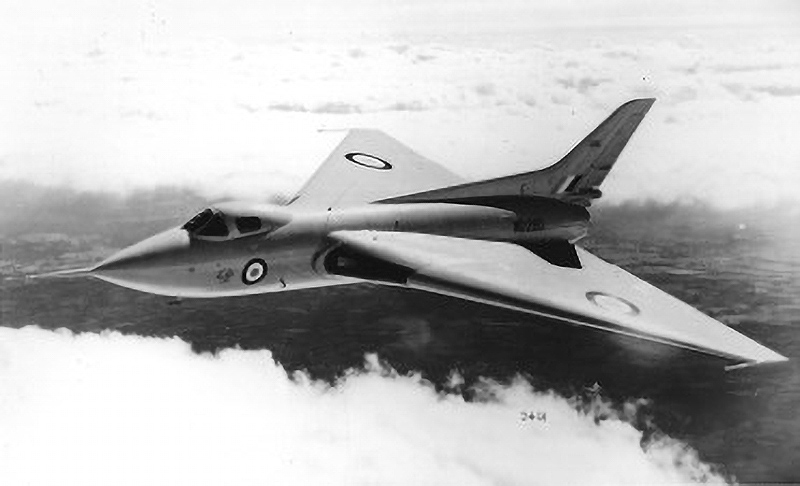
Aircraft without tails were flown in the early 1900s by the aviation pioneer (and thinker) J. W. Dunne, although high-speed jets represented a different category. For the Vulcan project, Avro constructed the 707 experimental aircraft series to study the flight characteristics of the tailless delta design.
The 707 was one-third the size of the Vulcan. The first 707 took to the skies on 4 September 1949. However, 26 days later, during a test flight, the initial prototype crashed near Blackbushe. Squadron Leader Samuel Eric Esler, DFC, AE lost his life. A total of five 707s were constructed, and they investigated different elements of tailless delta flight.
2: Wing
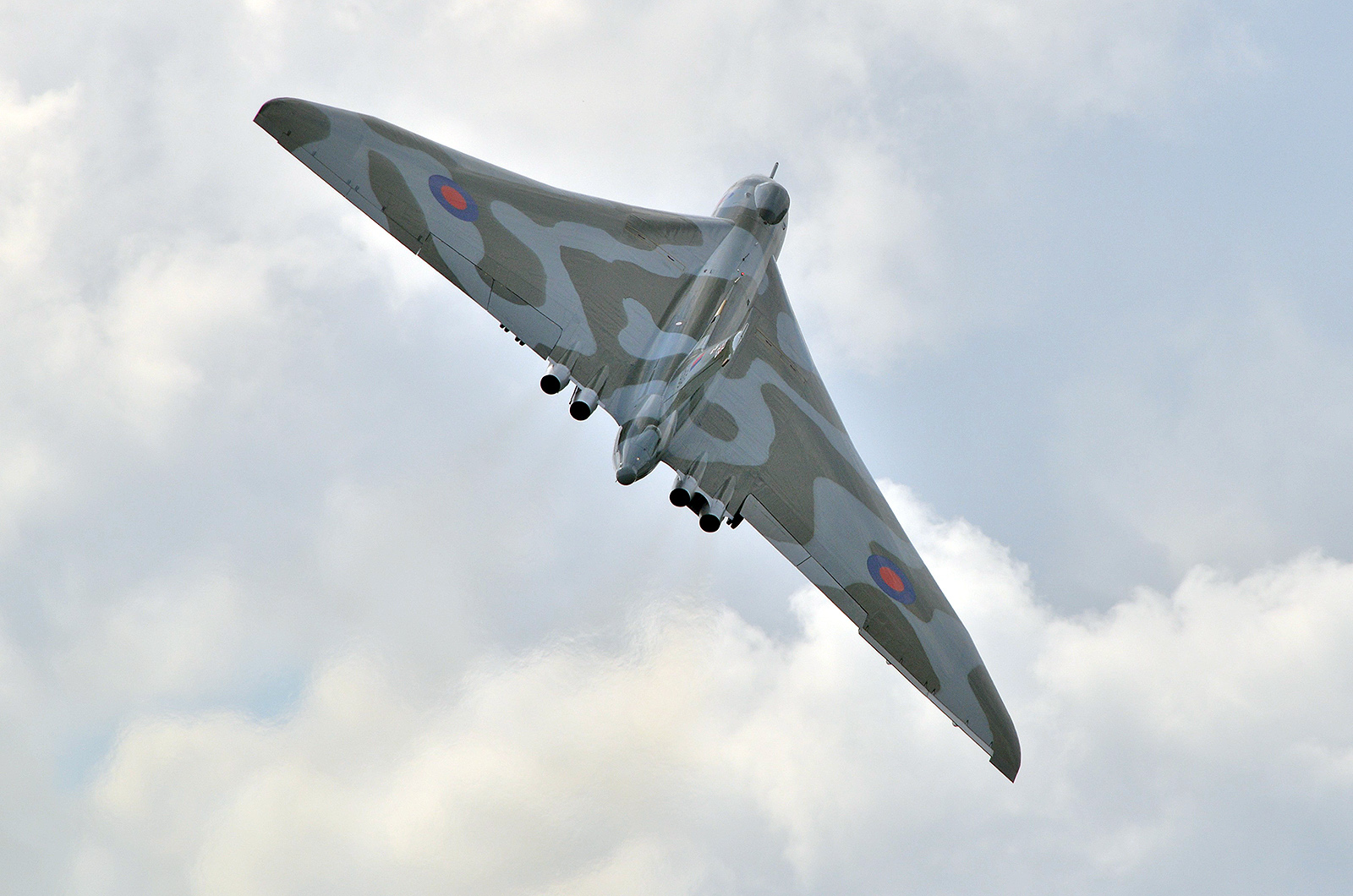
One of the earliest delta-winged aircraft to be put into active service was the Vulcan. It became operational in September 1956, after two delta-winged fighters had already been introduced: the British Gloster Javelin in February and the American Convair F-102 in April. Delta wings provide significant structural strength and a substantial internal space that can hold fuel or engines (as is the case with the Vulcan). The Vulcan’s recognizable triangular or ‘delta’ wing is its most notable characteristic; this large structure covers an area of 3,554 square feet (330.2 square meters).
The delta wing is a distinctive characteristic for an aircraft that operates below the speed of sound, such as the Vulcan. One of the factors that led to its adoption was that it enabled the necessary rigidity through well-established manufacturing methods; in contrast, the Victor’s crescent wing necessitated the creation of spot-welded honeycomb structures.
2: Wing
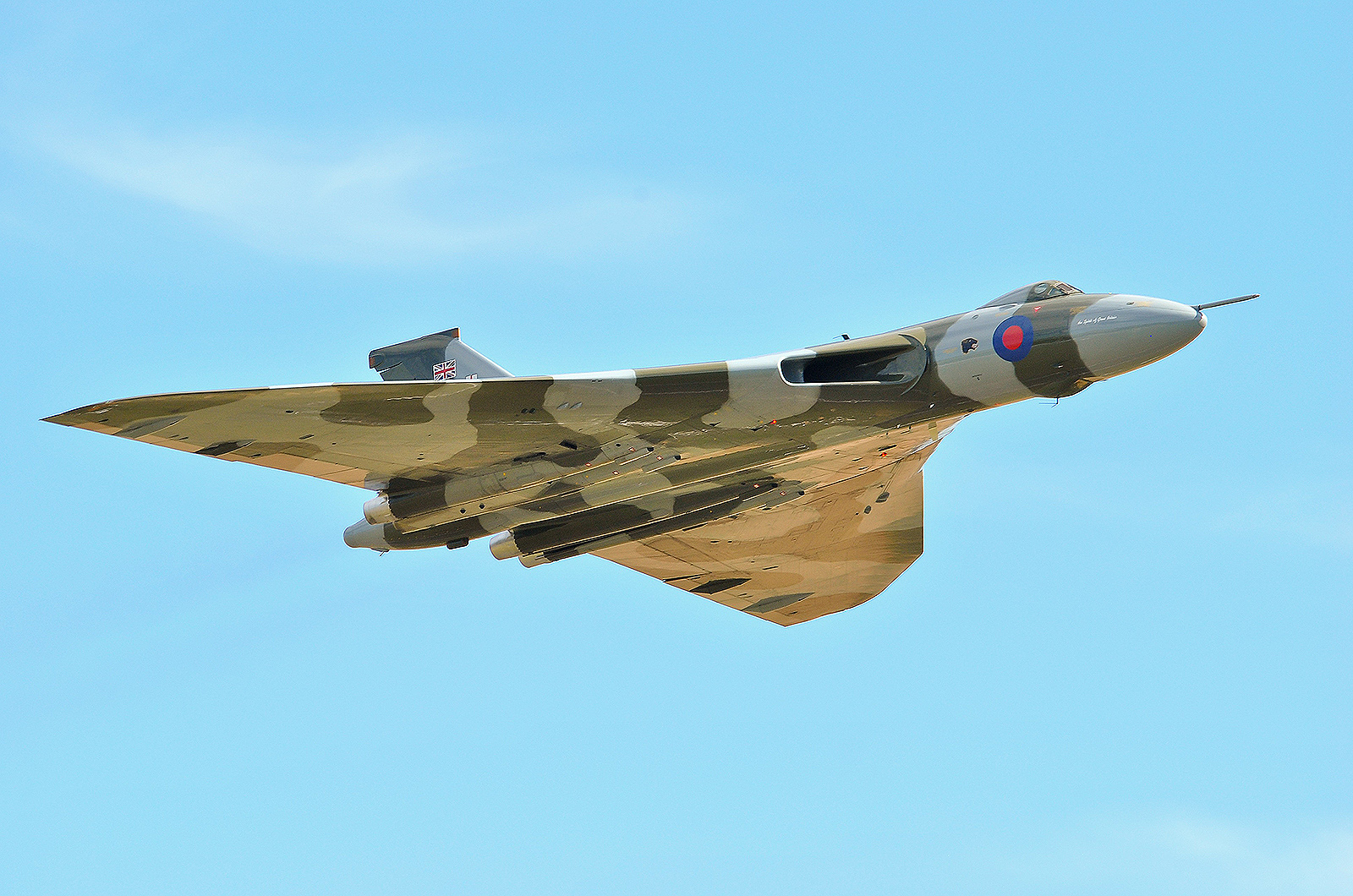
Early Vulcans featured a straight leading edge (the front part of the wing that initially meets the air). This design had aerodynamic challenges, leading to its replacement with a bent leading edge in the B.1 and B.1A models. The B.2 version built upon this concept by expanding the total wing surface area.
1: Sky Shield
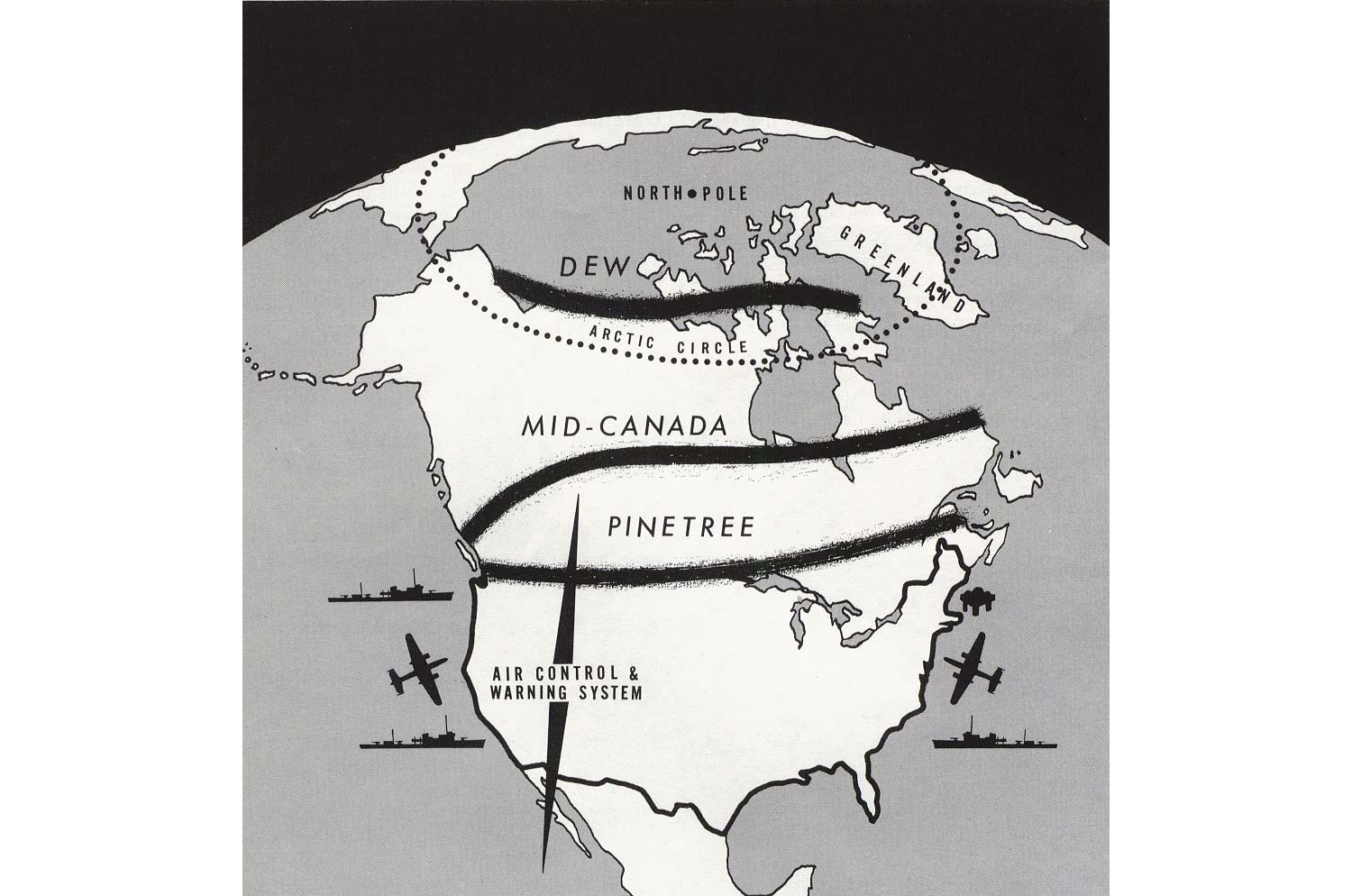
In the early 1960s, NORAD (North American Air Defense) and CONAD (Continental Air Defense) aimed to assess North America’s ability to protect itself against major aerial attacks. The Exercise Sky Shield was conducted to address this critical issue, featuring a large-scale training operation with hundreds of aircraft representing invading Soviet bombers.
The RAF’s Avro Vulcan B.2 aircraft took part in Sky Shield II in 1961, mimicking Soviet heavy bombers flying at very high altitudes—56,000 feet (17,000 meters), while the B-52 conducted attacks at 35,000 to 42,000 feet (11,000 to 13,000 meters) alongside lower-flying B-47 Stratojets.
1: Sky Shield
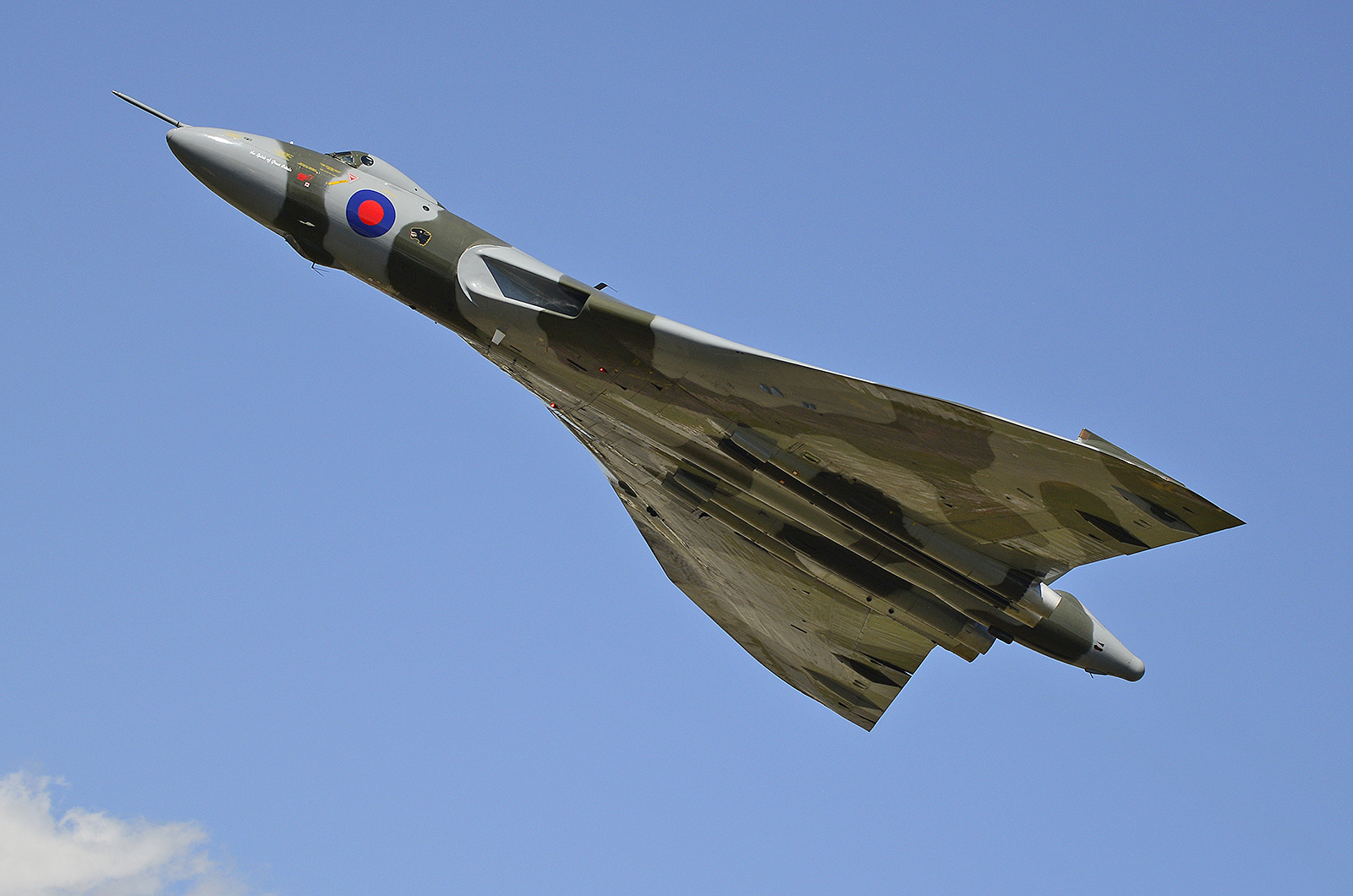
The Vulcans utilized high altitude along with highly efficient electronic jamming to avoid being detected. A Vulcan from 27 Sqn, taking off from Bermuda, managed to bypass the defending USAF F-102 Delta Dagger interceptors and smoothly landed at Plattsburgh Air Force Base in New York. A northern group of four Vulcans also performed successfully, with all their planes arriving in Newfoundland.
Not a single Vulcan was ‘lost’ by the defending forces, and there was minimal success in detecting the Vulcans. Sky Shield II was a significant achievement for the Vulcan force, and a major realization for NORAD. It wasn’t until 1997 that most of the findings from Sky Shield II were made public: no more than a quarter of the bombers in Sky Shield II would have been intercepted, and none of the Vulcans.
The Vulcan was withdrawn from RAF operations in 1984; one aircraft (XH558) continued to be used for exhibition until 1993. It was brought back to flying condition by a group of civilians, who showcased it at air shows from 2008 to 2015. It is currently located at Doncaster Sheffield Airport.
Follow Joe Coles on Substack, Twitter X or Blue Sky. His outstanding Hush-Kit Book of Warplanes is availablehere.
If you liked this story, please press the Follow button above to discover more similar content from
Photo Licence: https://creativecommons.org/licenses/by/4.0/deed.en
About the Author