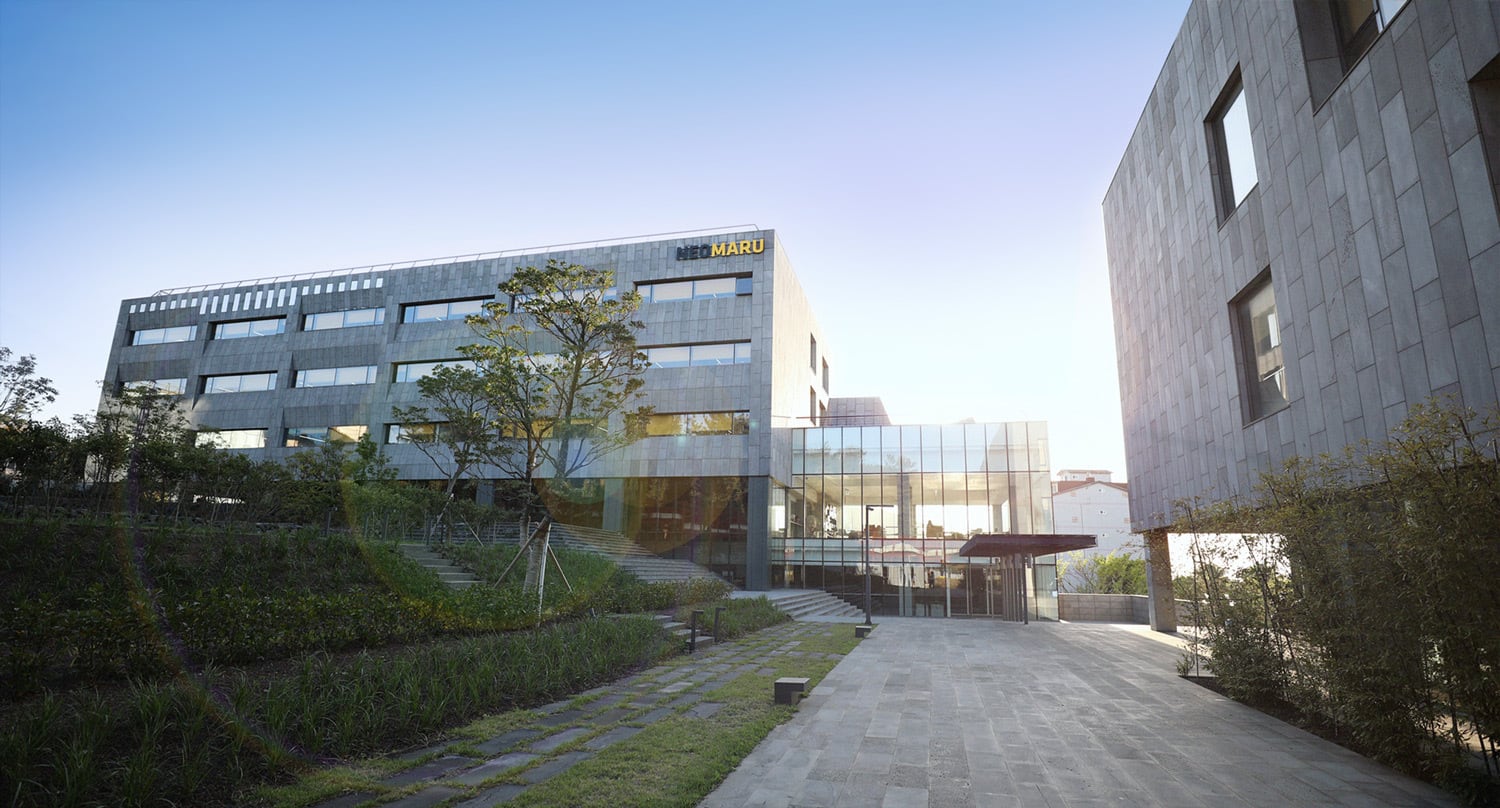
A provisional agreement on wages and collective bargaining has been reached between the labor and management of Neople, a subsidiary of Nexon. The Neople labor union initiated a strike in June, which is the first of its kind in the gaming sector.
Neople disclosed on the 21st, “We have reached a preliminary agreement regarding the 2025 wage and collective bargaining on the 18th,” and mentioned, “We have chosen to raise the average annual salary by roughly 4 million South Korean won per employee, boost welfare points, and expand housing support funds for Jeju, where our headquarters is situated.” A Neople representative noted, “The agreement aligns with the labor-management deal established by Nexon Korea in March, except for the additional housing support funds for Jeju.”
Previously, the Neople labor union staged a strike in June of last year, requesting additional performance bonuses and the equitable distribution of such bonuses to all employees. Since the Neople management refused to accept the demand for ‘equitable distribution of performance bonuses to all employees,’ which would undermine the fundamental compensation principles of the domestic gaming industry, labor-management talks collapsed.
Last month, the Neople labor union, which had disputes with the higher-level organization, the Nexon labor union, regarding the continuation of the strike, was dissolved and subsequently established as the Neople branch under the Textile and Chemical Industry Workers’ Union earlier this month. This year, Neople management carried out wage negotiations with the Neople branch. It is reported that during these negotiations, the Neople branch, functioning under an emergency committee system, withdrew its request for equal distribution of performance bonuses.