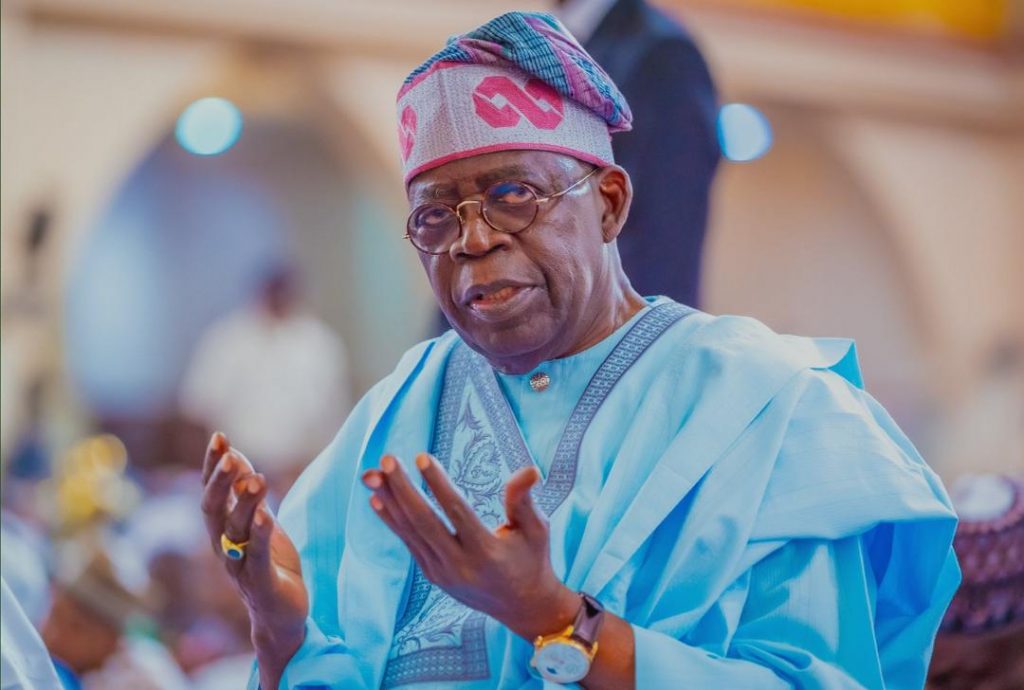
ABUJA – The People’s Democratic Party (PDP) has stated that President Bola Ahmed Tinubu’s cancellation of his scheduled visit to South Africa and Angola is just a superficial act without any real significance.
The party added that the president’s actions represent the most recent and courageous instance of tokenism, calling on him to temporarily move to Kebbi State and other areas experiencing armed conflict in Northern Nigeria.
Discover morewaterNewspaperseducationEntertainment centerNewspapersportingDailyThe White House
In a statement issued by its National Publicity Secretary, Comrade Ini Ememobong, on Thursday in Abuja, PDP mentioned that although the decision might seem to show support for the kidnapping of the Maga schoolgirls and the growing insecurity nationwide, it is not the case at heart.
Discover moreNewspaperwaterEntertainment centereducationThe White HouseDailyNewspaperssporting
He stated: “If the APC-backed presidency disagrees with this stance, then we insist that President Tinubu temporarily move to Kebbi State and other areas experiencing armed conflict in Northern Nigeria. This action would not only push the security forces to take more determined steps in halting the current violence, but would also enhance the spirits of the soldiers at the front lines.”
Discover moreNewspaperswatersportingDailyeducationNewspaperThe White HouseEntertainment center
As the President and Commander-in-Chief, Asiwaju Bola Ahmed Tinubu should not remain comfortable in the Presidential Villa while 25 schoolgirls have been kidnapped and their location is still unknown. He needs to show leadership by taking the lead, as genuine leaders do during times of serious national crisis.
Discover moreDailyeducationThe White HouseNewspaperwaterEntertainment centersportingNewspapers
The recent incidents in Kwara State reinforce our claim that insecurity and fear have turned into the everyday reality and new normal for Nigerians throughout the country. However, the APC-led government keeps making complete denials, justified explanations, hollow promises, and other superficial actions like the president’s postponed visit.
The party added that “without additional strategic measures, this trip cancellation will simply be another media stunt designed to gain public support and empathy, rather than addressing the pressing need to protect lives and property throughout Nigeria. If this were a political crisis (similar to the situation in Rivers State), President Tinubu would have utilized all available strategies and resources, both inside and outside the law, to resolve it.”
Discover moreeducationEntertainment centerDailyThe White HouseNewspaperwatersportingNewspapers
We officially inform the president and his administration that Nigerians are fed up with symbolic actions like expressions of sympathy and canceled trips. The country urgently needs strong leadership, strategic measures, and real support for the security forces, particularly those on the front lines, instead of superficial efforts aimed at gaining political advantage.
The security of Nigerians should not be treated as just a show. Leadership needs to go beyond appearances and provide real, ongoing actions that rebuild public trust and safeguard lives and assets. This issue requires genuine commitment, not just symbols. The presidency must step up or step aside for those who can.
Discover morewaterDailyNewspapersEntertainment centerNewspapereducationThe White HousesportingProvided by SyndiGate Media Inc. (Syndigate.info).