A man in his 50s was given a prison sentence after stealing vehicles on two separate occasions in a single day and driving without a valid license.
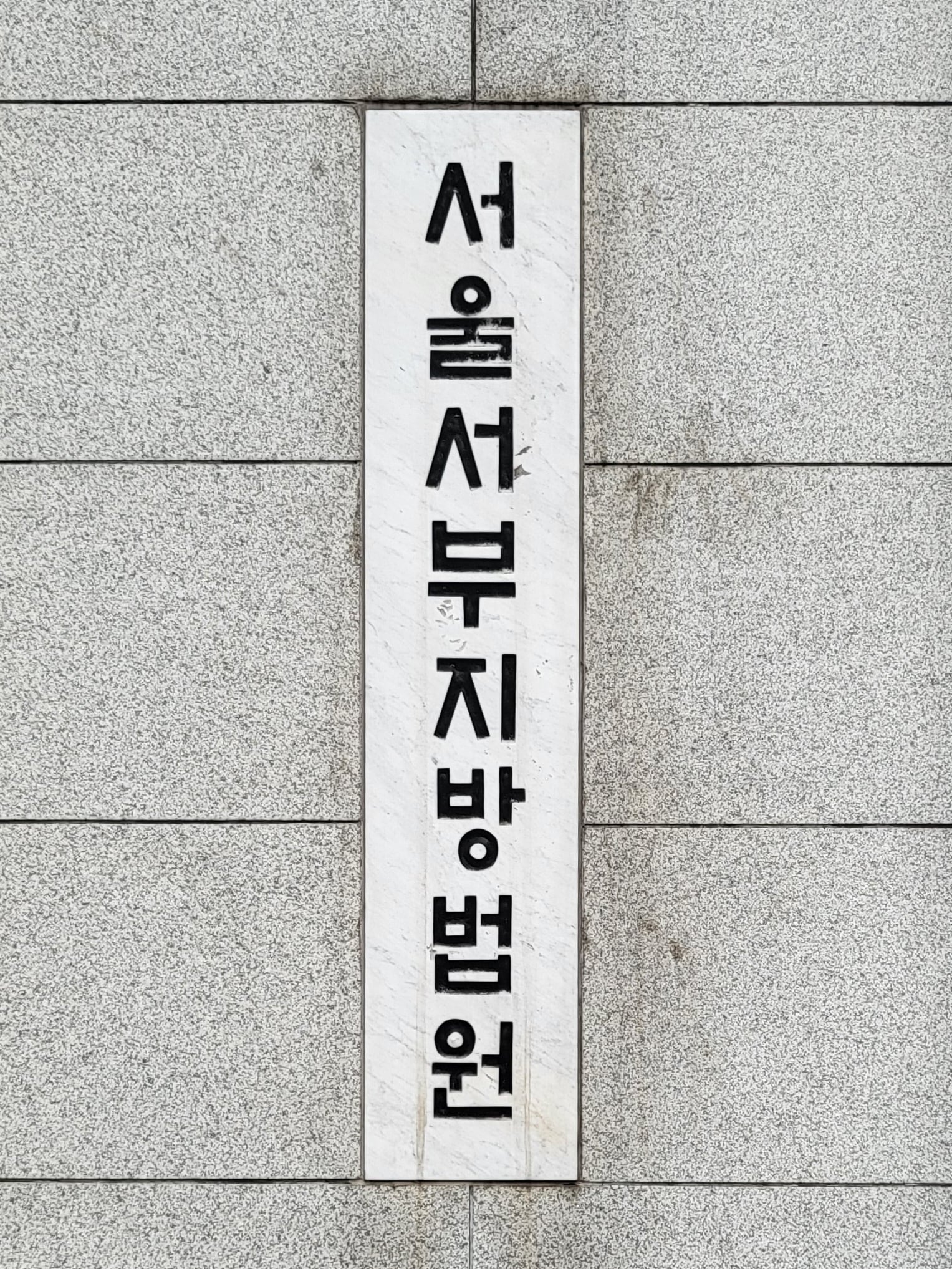
Seoul Western District Court’s Criminal Division 11, presided over by Judge Heo Joon-seo, conducted a sentencing hearing on the 23rd of the previous month for an individual identified as A (51), who was accused of theft and violating the Road Traffic Act (driving without a license). The defendant received an eight-month prison sentence, which is suspended for a period of two years. Additionally, the court mandated probation and required the completion of 40 hours of lawful driving education sessions.
Mr. A is being charged with entering unsecured passenger cars in Bucheon, Gyeonggi Province, and Mapo-gu, Seoul, and using keys found inside to drive about 34 kilometers without a valid license.
On July 30, Mr. A took an Avante passenger car valued at 10 million Korean won from an open-air parking area in Ojeong-gu, Bucheon. He drove the stolen vehicle about 18 kilometers to a street in front of Seodaemun-gu, Seoul. Later that day, around 3:14 p.m., Mr. A stole a GV80 passenger car belonging to a company, worth 80 million Korean won, from a parking lot in Mapo-gu, Seoul. He then traveled approximately 16 kilometers to Seodaemun-gu. While driving, he also stopped at a gas station after running out of fuel.
At that time, Mr. A’s driver’s license was suspended, making him legally unlicensed. During police interrogation, he reportedly said, “I don’t recall,” when questioned about the details of the crimes.
The court mentioned, “All stolen vehicles were given back to the victims, and the defendant does not have a history of punishment beyond a suspended sentence,” and noted, “There is a possibility that this crime was caused by an illness the defendant is currently experiencing, indicating that treatment might be required,” as the foundation for the sentencing.